

Intermediate Weight Loss Cycle: Effective Strategies for Sustainable Results
Introduction
What Is an Intermediate Weight Loss Cycle?
Key distinctions from beginner cycles:
- More precise adjustments to diet and training
- Emphasis on breaking plateaus and maintaining motivation
- Incorporation of advanced exercise techniques and nutrition strategies
intermediate weight loss cycle
Understanding Plateaus and Adaptation
Why plateaus happen:
- Metabolic adaptation slows calorie burn
- Loss of muscle mass if not strength training
- Reduced physical activity due to fatigue
What you can do:
Understanding this process is empowering—it means you can make informed adjustments like increasing physical activity, changing up your workout routine, or tweaking your diet.
Signs You’re Ready for an Intermediate Cycle
- Have consistently followed a beginner weight loss plan for at least 8-12 weeks
- Are hitting a plateau where progress has stalled for 2+ weeks
- Are comfortable with basic nutrition tracking (calories, portion sizes)
- Have established a regular exercise routine
- Are motivated to learn and apply more advanced techniques
Key Strategies for Intermediate Weight Loss
1. Progressive Overload
At this stage, your body needs new challenges. Progressive overload is the principle of gradually increasing the stress placed on your muscles during exercise. This can be done by:
- Increasing weight or resistance
- Adding more sets or reps
- Reducing rest periods
- Trying new exercises or workout styles
This approach not only helps break plateaus but also preserves (or increases) muscle mass, which is critical for a healthy metabolism.
2. Caloric Adjustments and Refeeds
As your body weight decreases, so does your basal metabolic rate (BMR). Recalculate your caloric needs every few weeks using an online calculator or fitness app. If weight loss has stalled, try:
- Reducing your daily calorie intake by 100-200 calories
- Incorporating refeed days (planned higher-calorie days) to reset hormones and prevent metabolic slowdown
3. HIIT and Advanced Cardio
High-Intensity Interval Training (HIIT) is highly effective for burning fat, improving cardiovascular fitness, and saving time. Try adding 1-2 HIIT sessions per week, alternating with steady-state cardio and active recovery.
4. Advanced Strength Training
Intermediate exercisers benefit from split routines (training different muscle groups on different days), supersets, drop sets, and other advanced techniques. Prioritize compound exercises like squats, deadlifts, bench presses, and rows.
5. Periodization
Plan your cycle in phases—higher-intensity, lower-volume weeks followed by deload or recovery weeks. This helps prevent overtraining and boosts long-term progress.
Nutrition Tips for Intermediate Weight Loss
Macros Matter
Move beyond just counting calories. Tracking macronutrients helps you fine-tune your body composition:
- Protein: Aim for 1.2–2.0 grams per kg of body weight per day to preserve muscle.
- Carbohydrates: Adjust based on activity level; more carbs for intense training days.
- Fats: Essential for hormone balance—don’t go too low (at least 20% of total calories).
Meal Timing and Frequency
While total daily intake is most important, some find benefits with:
- Meal prepping to avoid impulsive eating
- Intermittent fasting (such as 16:8) to control hunger and simplify eating windows
- Timing carbs around workouts for energy and recovery
Hydration
Don’t overlook water intake. Proper hydration aids metabolism, supports exercise performance, and helps regulate appetite.
Supplements
While not required, certain supplements can support your efforts:
- Protein powder (for convenience)
- Creatine (for strength and muscle retention)
- Omega-3 fatty acids (for inflammation and overall health)
- Multivitamins (if your diet lacks variety)
Always discuss supplements with your healthcare provider.
Monitoring Progress and Making Adjustments
Track More Than Just the Scale
The scale doesn’t tell the whole story. Use these tools to monitor your journey:
- Body measurements (waist, hips, arms, etc.)
- Progress photos (monthly)
- Fitness performance (strength, endurance, flexibility)
Adjust Based on Data
If progress stalls for more than two weeks:
- Double-check calories/macros
- Increase workout intensity or frequency
- Add a new training modality (HIIT, yoga, etc.)
- Prioritize sleep and stress management
Be Adaptable
Everyone’s body responds differently. Don’t be afraid to adjust your plan as you learn what works best for you.
intermediate weight loss cycle
Common Mistakes to Avoid
- Overtraining: Avoid excessive exercise without proper rest. This increases injury risk and can backfire on weight loss.
- Extreme calorie deficits: Severe restriction reduces muscle mass and slows metabolism.
- Neglecting recovery: Recovery includes both sleep and active rest. Poor recovery = poor results.
- Chasing fads: Stick with evidence-based practices rather than quick fixes or extreme diets.
- Ignoring mental health: Sustainable change comes from a positive mindset and self-compassion.
intermediate weight loss cycle
Frequently Asked Questions
Aim for 8–12 weeks, followed by a maintenance or recovery phase to allow your body and mind to reset.
Can I repeat intermediate cycles?
Yes, as long as you continue to make progress and stay motivated. Each new cycle can include small changes or new goals.
How do I know when to move to advanced cycles?
When you’ve plateaued despite several intermediate cycles, and all variables (diet, exercise, recovery) are optimized, you may be ready for advanced strategies such as carb cycling, heavy lifting, or more specialized training.
Can I build muscle while losing fat?
It’s possible, especially for intermediates, by prioritizing protein, strength training, and modest calorie deficits.
intermediate weight loss cycle Conclusion
cycling for weight loss,
exercise cycle for weight loss,
is cycling good for weight loss,
static cycling for weight loss.
Related products
Buy Steroid Cycles

Buy Steroid Cycles

Fat Burners

Fat Burners


Buy Steroid Cycles

Buy Steroid Cycles
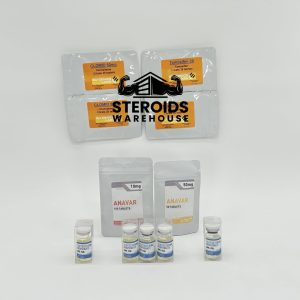
Buy Steroid Cycles
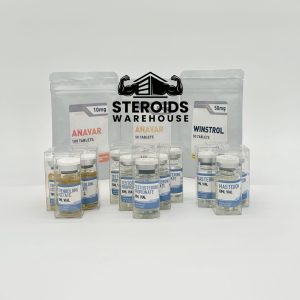
Buy Steroid Cycles