
MY BLOG POST
Testosterone Replacement Therapy Near Me: Complete TRT Guide
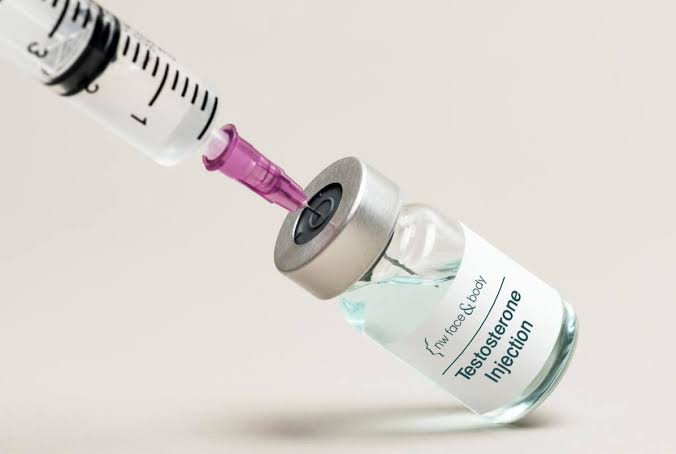
Oct
Testosterone replacement therapy near me is a common search for people researching low testosterone, TRT clinics, and medically supervised hormone treatment. Testosterone replacement therapy, commonly called TRT, is a medical treatment intended for appropriate patients with clinically confirmed testosterone deficiency.
Finding a nearby provider is only one part of the process. A reputable TRT clinic should assess symptoms, review medical history, perform appropriate laboratory testing, explain potential benefits and risks, and provide ongoing monitoring.
This educational guide from TheSteroids WareHouse explains how testosterone replacement therapy works, who may be considered for treatment, what testing can involve, potential benefits and side effects, and important questions to ask before beginning therapy.
What Is Testosterone Replacement Therapy?
Testosterone replacement therapy is medical treatment intended to restore testosterone levels in men who have confirmed testosterone deficiency and compatible symptoms.
Testosterone is a naturally occurring hormone that plays important roles in:
- Sexual function
- Libido
- Muscle development
- Bone health
- Red blood cell production
- Energy and general wellbeing
- Reproductive function
However, experiencing fatigue, low motivation, reduced sexual desire, or changes in body composition does not automatically mean someone has low testosterone.
The Endocrine Society recommends diagnosing hypogonadism only when compatible symptoms or signs are accompanied by consistently and unequivocally low testosterone concentrations. It also recommends confirming low morning testosterone with repeat testing.
Testosterone Replacement Therapy Near Me: Why Local Clinics Matter
When people search for testosterone replacement therapy near me, convenience is often a major consideration.
A local clinic can make it easier to attend:
- Initial consultations
- Blood-test appointments
- Follow-up assessments
- Blood-pressure checks
- Treatment reviews
- Ongoing laboratory monitoring
However, proximity should not be the only factor.
A clinic that is five minutes away is not necessarily better than a qualified provider farther away.
When comparing TRT providers, consider their:
- Medical credentials
- Diagnostic process
- Laboratory testing
- Follow-up procedures
- Patient education
- Approach to fertility
- Monitoring policies
- Transparency about potential risks
Good testosterone treatment should focus on health outcomes rather than simply maximizing testosterone levels.
What Causes Low Testosterone?
Low testosterone can have many possible causes.
Testosterone production may be affected by problems involving the:
- Testicles
- Pituitary gland
- Hypothalamus
- Endocrine system
- Certain medications
- Chronic illnesses
- Significant obesity
- Sleep-related conditions
- Other medical conditions
The Endocrine Society recommends investigating the underlying cause after identifying testosterone deficiency rather than automatically treating every low laboratory result with testosterone.
This is important because testosterone deficiency can sometimes be a symptom of another medical problem.
A responsible TRT provider should therefore ask more than, “What testosterone level do you have?”
They should also want to understand why the level may be low.
Symptoms of Low Testosterone
Symptoms associated with testosterone deficiency can vary considerably.
Potential symptoms include:
- Reduced libido
- Erectile difficulties
- Fatigue
- Reduced muscle strength
- Changes in body composition
- Low mood
- Reduced motivation
- Difficulty concentrating
- Reduced bone density
- Decreased energy
However, many of these symptoms can occur for other reasons.
For example, poor sleep, stress, depression, obesity, certain medications, thyroid disorders, and other medical conditions can produce symptoms that resemble testosterone deficiency.
Therefore, symptoms should be investigated rather than automatically attributed to testosterone.

How Is Testosterone Deficiency Diagnosed?
A proper diagnosis generally involves more than one blood test.
The Endocrine Society recommends measuring morning fasting testosterone using an accurate and reliable test and confirming the result with a repeat morning measurement.
Depending on the circumstances, a healthcare professional may also evaluate:
- Total testosterone
- Free testosterone
- SHBG
- LH
- FSH
- Prolactin
- Complete blood count
- Other hormone markers
- Metabolic health
- Prostate-related factors
The exact tests depend on the patient’s symptoms, medical history, previous results, age, and clinical circumstances.
Why Morning Testosterone Testing Matters
Testosterone levels naturally fluctuate during the day.
For this reason, timing can influence laboratory results.
Clinical guidance recommends morning testing because testosterone concentrations are generally higher earlier in the day.
The Endocrine Society specifically recommends confirming a suspected diagnosis with repeat morning fasting testosterone measurements.
This helps reduce the possibility of diagnosing testosterone deficiency based on a single unusual measurement.
Testosterone Replacement Therapy Options
TRT can be delivered using different formulations.
Injectable Testosterone
Some testosterone formulations are administered by injection and provide systemic testosterone replacement.
Testosterone Gels
Transdermal gels allow testosterone to be absorbed through the skin.
Testosterone Patches
Patches provide another transdermal delivery method.
Testosterone Pellets
Some medical practices use implanted testosterone pellets that release testosterone gradually.
Different formulations have different pharmacokinetic characteristics, convenience factors, adverse effects, and monitoring considerations.
A qualified healthcare provider can explain which options are appropriate for a particular patient.
Testosterone Replacement Therapy Benefits
For men with confirmed testosterone deficiency, appropriate treatment may improve symptoms associated with low testosterone.
Potential benefits can include improvements in:
- Sexual desire
- Sexual function
- Energy
- Lean body mass
- Muscle strength
- Bone health
- Certain symptoms associated with testosterone deficiency
The extent of improvement varies between individuals.
TRT should not be promoted as a universal solution for aging, athletic performance, or ordinary tiredness.
The Endocrine Society recommends testosterone treatment for appropriate hypogonadal men to correct symptoms and maintain secondary sexual characteristics after considering potential benefits and risks.

Testosterone Replacement Therapy Side Effects
TRT can produce adverse effects, and patients should understand these before starting treatment.
Potential concerns can include:
- Acne
- Fluid retention
- Increased red blood cell production
- Changes in cholesterol
- Increased blood pressure
- Reduced sperm production
- Changes in mood
- Breast enlargement or tenderness
- Changes in urinary symptoms
- Reduced natural testosterone production
Not every patient experiences these effects.
Risk can also vary depending on the individual’s age, medical history, formulation, testosterone levels, and other medications.
Medical supervision is therefore an important part of testosterone therapy.
Testosterone Replacement Therapy and Fertility
Fertility is one of the most important subjects to discuss before starting TRT.
External testosterone can suppress the body’s natural reproductive hormone signaling. This can reduce sperm production.
Consequently, testosterone replacement therapy may not be appropriate for someone actively trying to conceive in the near future.
The Endocrine Society recommends against starting testosterone therapy in men planning fertility in the near term.
Anyone with current or future fertility plans should tell their healthcare provider before treatment begins.
This is an area where an individualized medical discussion is particularly important.
Testosterone Therapy and Hematocrit
Testosterone can stimulate red blood cell production.
For this reason, hematocrit is an important monitoring parameter during testosterone treatment.
Excessively elevated hematocrit may require medical evaluation and adjustment of treatment.
The Endocrine Society recommends checking hematocrit before treatment, again after treatment begins, and periodically thereafter.
This illustrates why responsible TRT involves ongoing medical monitoring rather than simply receiving testosterone indefinitely.
Testosterone and Blood Pressure
Blood pressure should also be considered.
Testosterone products can increase blood pressure in some patients, which may contribute to cardiovascular risk.
People with existing hypertension should discuss their blood pressure with their healthcare provider before and during treatment.
A qualified clinic should therefore consider overall cardiovascular health rather than focusing exclusively on testosterone levels.
Testosterone Replacement Therapy and Prostate Health
Prostate health is another consideration when evaluating TRT.
A healthcare professional may discuss:
- Urinary symptoms
- Prostate history
- PSA testing where appropriate
- Family history
- Age-related prostate considerations
The Endocrine Society recommends appropriate prostate-risk assessment and monitoring for men who choose prostate monitoring as part of testosterone treatment.
The exact approach should be individualized.
Patients should report new or worsening urinary symptoms to their healthcare provider.
How to Find Testosterone Replacement Therapy Near Me
When searching for testosterone replacement therapy near me, consider looking for a qualified healthcare provider rather than choosing a clinic solely because it advertises testosterone aggressively.
Useful questions include:
Does the Clinic Require Blood Testing?
A responsible provider should not diagnose testosterone deficiency solely from symptoms.
Does the Provider Investigate the Cause?
Understanding why testosterone is low can be important.
Does the Clinic Monitor Treatment?
Follow-up should assess both treatment response and potential adverse effects.
Does the Provider Discuss Fertility?
This is particularly important for men who may want children.
Is the Medication Appropriately Prescribed?
Prescription testosterone should come through legitimate medical channels appropriate to the country where treatment occurs.
What to Expect at a TRT Clinic
A typical first appointment may involve a detailed medical history and discussion of symptoms.
The healthcare professional may ask about:
- Sexual health
- Energy levels
- Sleep
- Mood
- Exercise
- Medical conditions
- Current medications
- Fertility plans
- Family medical history
Blood testing may then be recommended.
If testing confirms testosterone deficiency and treatment is medically appropriate, the clinician can discuss available testosterone formulations and establish a monitoring plan.
The Endocrine Society recommends evaluating patients after treatment begins to determine whether symptoms have improved and whether adverse effects have developed.
Online TRT Clinics vs Local Clinics
Online healthcare has made it easier for some patients to access medical consultations.
However, online treatment should still involve appropriate clinical assessment.
A reputable service should not simply sell testosterone without establishing whether treatment is medically appropriate.
Important questions include:
- Is a qualified clinician involved?
- Are laboratory results reviewed?
- Can the provider investigate alternative causes?
- Is follow-up available?
- Can the patient access appropriate monitoring?
- Are prescriptions issued according to local regulations?
Convenience should never replace appropriate medical care.
Testosterone Replacement Therapy Near Me: Red Flags to Avoid
Some warning signs can help identify questionable testosterone providers.
Be cautious about services that:
- Promise guaranteed results
- Claim TRT is completely risk-free
- Diagnose low testosterone without appropriate testing
- Encourage unnecessarily high testosterone levels
- Ignore fertility concerns
- Do not discuss side effects
- Do not provide follow-up monitoring
- Market testosterone exclusively as a bodybuilding product
- Make unrealistic claims about anti-aging benefits
Good medical care should be based on evidence, appropriate diagnosis, informed consent, and continued monitoring.
TRT for Bodybuilding vs Medical Testosterone Replacement
The term TRT is sometimes used online to describe testosterone use for bodybuilding.
This can create confusion.
Medical testosterone replacement is intended to treat clinically diagnosed testosterone deficiency.
Using testosterone to pursue muscle growth or athletic performance is a different purpose and may involve substantially different exposure and risks.
Therefore, someone searching for TRT should first establish whether they actually have a medical indication for testosterone treatment.
Is Testosterone Replacement Therapy Safe?
No medication is completely risk-free.
For appropriately selected patients, testosterone therapy can provide meaningful benefits. However, the decision should involve a discussion of potential benefits, risks, alternatives, and monitoring.
Current regulatory information also highlights the importance of considering blood pressure and other health factors during testosterone treatment.
This does not mean testosterone therapy is inherently unsafe.
Instead, it highlights why current evidence and individualized medical assessment are important.
Questions to Ask Before Starting TRT
Before beginning treatment, consider asking your healthcare provider:
- Do my symptoms actually suggest testosterone deficiency?
- Have my testosterone levels been tested correctly?
- Do I need a repeat morning testosterone test?
- What might be causing my low testosterone?
- Could another medical condition explain my symptoms?
- How could treatment affect fertility?
- What side effects should I watch for?
- Which blood tests will be monitored?
- How frequently will I have follow-up appointments?
- What should I do if treatment does not improve my symptoms?
A good TRT consultation should give you enough information to make an informed decision.

Frequently Asked Questions
What Is Testosterone Replacement Therapy?
Testosterone replacement therapy is medical treatment designed to restore testosterone levels in appropriate patients with confirmed testosterone deficiency.
How Do I Find Testosterone Replacement Therapy Near Me?
Search for qualified healthcare providers or established clinics offering medically supervised testosterone evaluation and treatment in your area. Compare their diagnostic process, credentials, testing, follow-up, and monitoring rather than choosing solely based on proximity.
Do I Need a Blood Test Before TRT?
Yes. Appropriate testosterone testing is an important part of diagnosing testosterone deficiency. Clinical guidance recommends morning testing and confirmation of consistently low levels.
Can TRT Improve Energy?
It may improve some symptoms associated with confirmed testosterone deficiency, but fatigue has many possible causes. Testosterone should not be used as a general treatment for unexplained tiredness.
Does TRT Affect Fertility?
It can reduce sperm production. Men planning fertility should discuss this with their healthcare provider before beginning treatment.
How Often Should TRT Be Monitored?
Monitoring depends on the treatment formulation and individual circumstances. Clinical guidance recommends evaluating treatment response and adverse effects and monitoring testosterone and hematocrit during treatment.
Can Women Use Testosterone Replacement Therapy?
Testosterone therapy has different indications and considerations in women. Anyone considering hormonal treatment should discuss the appropriate treatment with a qualified healthcare professional.
Is TRT the Same as a Steroid Cycle?
No. Medical testosterone replacement for diagnosed deficiency is different from non-medical anabolic steroid use for bodybuilding or performance enhancement.
Final Thoughts on Testosterone Replacement Therapy Near Me
Searching for testosterone replacement therapy near me can be a useful first step when investigating symptoms that may be related to testosterone deficiency. However, choosing a provider should involve more than finding the closest clinic.
A responsible TRT provider should focus on accurate diagnosis, appropriate laboratory testing, treatment suitability, patient education, and ongoing monitoring.
Current clinical guidance emphasizes that testosterone deficiency should be diagnosed using compatible symptoms together with consistently low testosterone measurements, followed by evaluation of the underlying cause.
Testosterone therapy can provide benefits for appropriately diagnosed patients, but it also has potential risks involving fertility, blood pressure, hematocrit, prostate health, and other aspects of wellbeing.
If you are considering TRT, discuss your symptoms and laboratory results with a qualified healthcare professional who can determine whether treatment is appropriate for you.
TheSteroids WareHouse provides educational information about testosterone, anabolic-androgenic steroids, and related health topics. This article is for general educational purposes only and is not a substitute for professional medical advice or a diagnosis.
trt for sale,
trt kingdom,
buy trt online,
once you start testosterone therapy can you stop,
online trt,
order testosterone online,
is trt steroids,
online testosterone therapy.
