



GLP-1 Fat Loss Jab: What You Need to Know
A GLP-1 Fat Loss Jab is a general term often used online to describe injectable medicines that act on the glucagon-like peptide-1 (GLP-1) pathway and may support weight management. Interest in these treatments has grown rapidly because certain GLP-1-based medicines can reduce appetite, influence food intake, and support clinically meaningful weight loss in appropriate patients.
However, the phrase “GLP-1 fat loss jab” can refer to several different medicines or products. They are not all identical, and their approved uses, effectiveness, side effects, and safety requirements can differ. Understanding the science behind GLP-1 medicines is therefore important before considering any treatment marketed for weight loss.
What Is a GLP-1 Fat Loss Jab?
A GLP-1 Fat Loss Jab generally refers to an injectable medicine designed to activate or influence pathways associated with GLP-1, a naturally occurring hormone involved in appetite regulation, digestion, and glucose metabolism.
GLP-1-based medicines can affect several processes in the body. They may slow gastric emptying, increase feelings of fullness, and reduce appetite. These effects can make it easier for some patients to consume fewer calories.
Importantly, GLP-1 medicines are pharmaceutical treatments rather than ordinary weight-loss supplements. Their use should therefore be approached differently from products marketed simply as dietary aids.
How GLP-1 Medicines Work
GLP-1 is produced naturally in the body and plays a role in regulating blood glucose and appetite.
Medicines that target the GLP-1 pathway can mimic or enhance some of these biological effects. Depending on the specific medicine, this can include:
- Increased feelings of fullness
- Reduced appetite
- Slower movement of food through the stomach
- Improved regulation of blood glucose
- Reduced food intake
- Support for long-term weight management
These effects help explain why GLP-1 medicines have become an important area of modern obesity and metabolic medicine.
GLP-1 Weight Loss and Appetite Control
One of the most significant reasons people search for a GLP-1 Fat Loss Jab is appetite control.
Weight management can be difficult when persistent hunger and cravings make calorie reduction challenging. GLP-1 pathway medicines can influence signals involved in hunger and satiety, potentially helping some people feel satisfied with less food.
This does not mean that GLP-1 medicines eliminate hunger completely. Individual responses vary, and lifestyle factors such as nutrition, physical activity, sleep, and overall health remain important parts of a sustainable weight-management strategy.
Fat Loss vs. Weight Loss
It is useful to distinguish between overall weight loss and fat loss.
Body weight includes fat, muscle, water, glycogen, and other tissues. Therefore, a reduction on the scale does not automatically mean that all of the weight lost represents body fat.
During weight management, maintaining adequate nutrition and physical activity can be important for supporting healthy body composition. Healthcare professionals may consider changes in weight, waist measurements, metabolic health, and other factors rather than relying exclusively on the number shown on a scale.
Common GLP-1 Medicines
Several medicines act on GLP-1-related pathways, although they are not interchangeable.
Examples commonly discussed in weight-management contexts include:
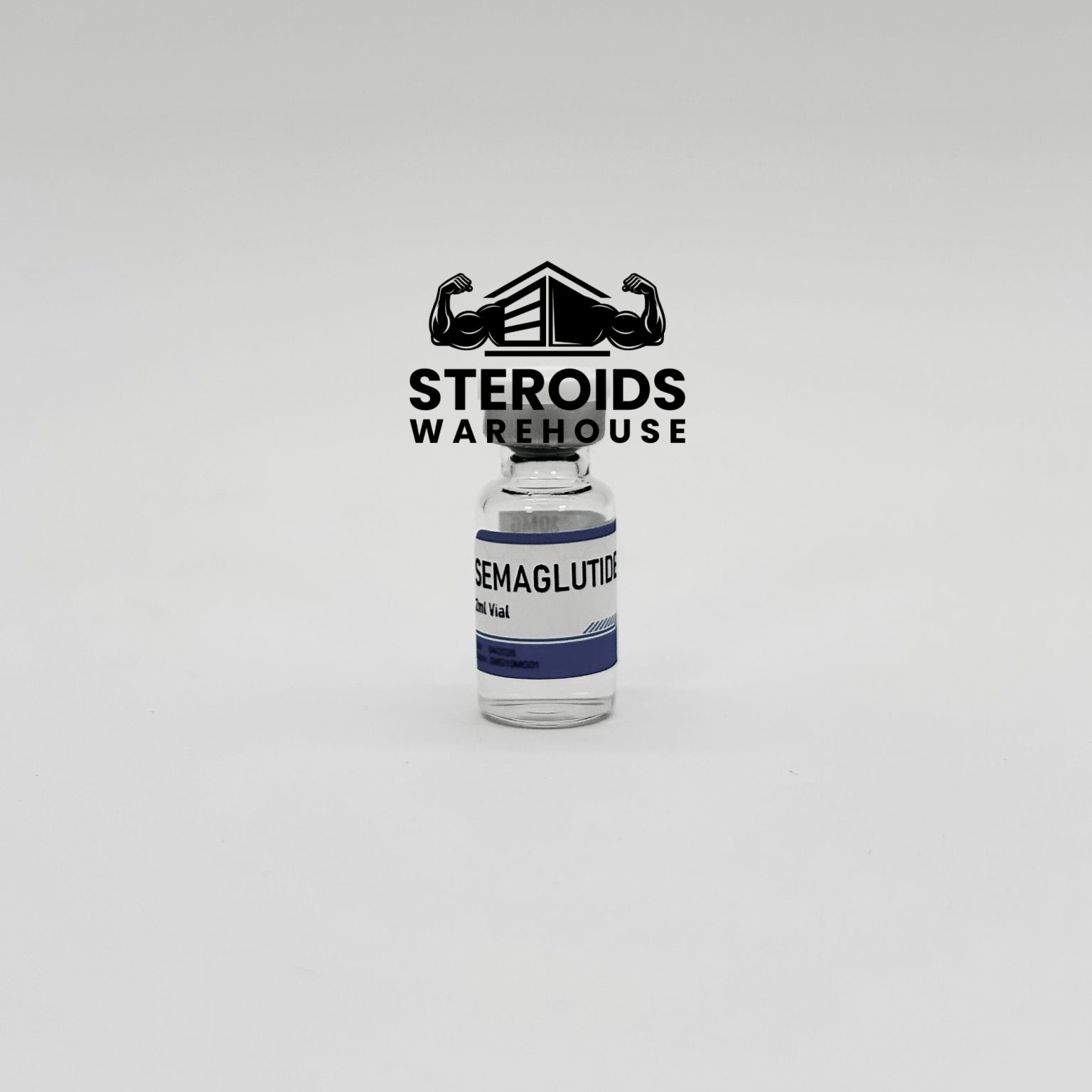
- Semaglutide
- Liraglutide
- Tirzepatide, which acts on both GIP and GLP-1 pathways
Other medicines may also be investigated or developed for obesity and metabolic conditions.
Because different products have different regulatory approvals and medical indications, consumers should identify the specific active ingredient rather than relying only on general terms such as “GLP-1 jab.”
Potential Benefits of GLP-1 Treatment
For appropriate patients, GLP-1-based treatment may provide several potential benefits.
Research and clinical use have demonstrated that certain medicines in this class can support substantial weight reduction when combined with appropriate lifestyle measures.
Potential benefits may include:
- Reduced appetite
- Improved portion control
- Lower body weight
- Improvements in some metabolic risk factors
- Better blood glucose control for certain patients
- Support for long-term weight management
The results vary between individuals, and treatment outcomes depend on the specific medicine and the patient’s circumstances.
GLP-1 Fat Loss Jab Side Effects
Although GLP-1 medicines can provide significant benefits for appropriate patients, they can also cause adverse effects.
Digestive symptoms are among the most commonly reported concerns. These can include:
- Nausea
- Vomiting
- Diarrhea
- Constipation
- Abdominal discomfort
- Reduced appetite
- Indigestion
Some people experience mild or temporary symptoms, while others may experience more significant problems.
Anyone experiencing persistent or severe symptoms should seek medical advice rather than attempting to manage complications independently.
Gastrointestinal Considerations
Because GLP-1 medicines can influence digestion and gastric emptying, gastrointestinal effects deserve particular attention.
Some people may experience nausea or changes in bowel habits, especially when starting treatment. The severity varies considerably between individuals.
People with existing digestive disorders or other medical conditions should discuss the suitability of treatment with a qualified healthcare professional before using a GLP-1 medicine.
Blood Sugar and Metabolic Effects
GLP-1 medicines can influence glucose regulation. This is one reason several medicines in this area were originally developed or approved for metabolic conditions such as type 2 diabetes.
For individuals taking other glucose-lowering medicines, combining treatments can require appropriate medical supervision because blood glucose levels may change.
Weight-loss treatment should therefore take the person’s complete medication and medical history into account.
Who May Benefit From GLP-1 Treatment?
GLP-1-based medicines are not automatically appropriate for everyone who wants to lose weight.
Healthcare professionals generally consider factors such as:
- Body weight and body mass index
- Existing medical conditions
- Current medications
- Previous weight-management efforts
- Blood glucose status
- Cardiovascular risk
- Digestive health
- Potential contraindications
A qualified clinician can determine whether a particular medicine is appropriate based on an individual’s circumstances.
GLP-1 Medicines and Lifestyle
Medication should not be viewed as a replacement for healthy lifestyle habits.
Nutrition, physical activity, sleep, stress management, and behavioral changes can all contribute to long-term weight management.
For many patients, medication works best as part of a broader treatment strategy rather than as a standalone solution.
Product Quality and Unregulated GLP-1 Products
Searches for GLP-1 Fat Loss Jab may produce products from a wide range of online sources. This creates an important distinction between regulated medicines supplied through appropriate healthcare channels and products sold through unverified sources.
Consumers should be cautious about products with unclear ingredients, questionable labeling, or claims that cannot be independently verified.
A product described online as a GLP-1 compound is not necessarily equivalent to an approved pharmaceutical medicine. The identity, concentration, manufacturing standards, storage conditions, and regulatory status may all matter.
Why Medical Supervision Matters
GLP-1 medicines can produce genuine physiological effects, which is why appropriate medical assessment is important.
Before treatment, a healthcare professional can consider medical history, current medications, contraindications, and potential risks. During treatment, appropriate follow-up can help assess effectiveness and adverse effects.
This approach is particularly important for people with chronic health conditions or those taking several medicines.
Frequently Asked Questions
What is a GLP-1 Fat Loss Jab?
It is a general term for an injectable medicine that targets the GLP-1 pathway and may support appetite control and weight management. The exact medicine depends on the active ingredient.
Are all GLP-1 injections the same?
No. Different medicines have different active ingredients, mechanisms, approvals, effectiveness, and safety profiles.
How do GLP-1 medicines support weight loss?
They can influence appetite, fullness, digestion, and food intake. These effects may help appropriate patients reduce overall calorie consumption.
Is a GLP-1 jab a fat burner?
Not in the traditional sense. GLP-1 medicines primarily influence appetite, food intake, glucose regulation, and related physiological processes rather than functioning like conventional stimulant-based “fat burners.”
What are common GLP-1 side effects?
Common adverse effects can include nausea, vomiting, diarrhea, constipation, abdominal discomfort, and other gastrointestinal symptoms.
Can GLP-1 medicines be used by everyone?
No. Suitability depends on the specific medicine and the individual’s health history, medications, and medical circumstances.
Do GLP-1 medicines replace diet and exercise?
No. Lifestyle measures remain an important part of comprehensive weight management.
What should I check before considering a GLP-1 medicine?
The active ingredient, regulatory status, medical indication, potential side effects, contraindications, and whether the treatment is appropriate for your individual circumstances should all be considered with a healthcare professional.
Final Thoughts on GLP-1 Fat Loss Jab
A GLP-1 Fat Loss Jab is not simply another supplement marketed for weight reduction. GLP-1-based medicines interact with important physiological pathways involved in appetite, digestion, and metabolic regulation.
Certain medicines in this category can provide meaningful weight-management benefits for appropriately selected patients. At the same time, they can produce side effects and may not be suitable for everyone.
Understanding the specific active ingredient and seeking appropriate professional guidance are essential steps when evaluating any GLP-1-based treatment. Reliable information is far more valuable than relying solely on marketing claims surrounding online weight-loss products.
what is the best injection for weight loss,
what is the best injection for weight loss at home,
what is the best injection for weight loss side effects.
Related products


Buy Oral Steroids

Fat Burners


Buy Injectable Steroids

Buy Injectable Steroids
Buy Oral Steroids

Fat Burners

Fat Burners

Buy Oral Steroids