Advanced Weight Loss Cycle
The Advanced Weight Loss Cycle is a term used in physique-enhancement and bodybuilding discussions to describe a more advanced approach to body-composition goals. Unlike a basic weight-management plan, an advanced cycle may involve greater emphasis on cutting strategies, training performance, calorie control, recovery, and maintaining lean tissue while reducing body fat.
The word “advanced” should not be interpreted as meaning safer, more effective, or suitable for everyone. Performance-enhancement compounds can carry significant health risks and may affect hormonal function, cardiovascular health, cholesterol, liver function, mood, and other areas of wellbeing. Anyone researching these products should understand the potential risks and seek appropriate professional guidance.
What Is an Advanced Weight Loss Cycle?
An Advanced Weight Loss Cycle generally refers to a structured cutting approach intended for individuals researching more advanced physique-enhancement strategies.
Weight loss and body recomposition depend on several factors, with calorie balance playing a central role. A consistent calorie deficit can encourage the body to use stored energy, while resistance training and adequate protein can help support lean-tissue retention.
An advanced approach may place greater emphasis on monitoring body composition, training performance, nutrition, recovery, and progress over time.
However, no cycle can guarantee a particular amount of fat loss or produce identical results between individuals. Genetics, starting body composition, activity levels, diet, sleep, and other factors all influence outcomes.
How Does an Advanced Cutting Cycle Relate to Fat Loss?
Fat loss primarily occurs when energy expenditure exceeds energy intake over time.
A structured cutting phase can combine:
- Appropriate calorie restriction
- Adequate protein intake
- Resistance training
- Cardiovascular activity
- Sufficient sleep
- Consistent hydration
- Progress monitoring
- Appropriate recovery
Performance-enhancement compounds are sometimes associated with cutting phases because of their perceived effects on muscle retention, strength, or physique appearance. However, they should not be considered a replacement for sound nutrition and training.
A sustainable approach focuses on reducing unnecessary body fat while maintaining performance and preserving as much lean tissue as practical.
Advanced Weight Loss Cycle: Important Considerations
The term “advanced” indicates that an individual may be researching a more complex performance-enhancement approach. It does not establish a safety profile.
More complex protocols can introduce additional considerations, particularly when multiple compounds are involved. Combining products can make it harder to identify the cause of an adverse reaction and may increase overall exposure to potential side effects.
Before considering an Advanced Weight Loss Cycle, individuals should research every compound separately and understand its potential effects, contraindications, and interactions.
Professional healthcare advice is particularly important when considering substances that can influence hormones, cardiovascular health, liver function, or other physiological systems.
Nutrition for an Advanced Weight Loss Strategy
Nutrition remains the foundation of any effective fat-loss program.
An appropriate calorie deficit can support gradual weight reduction while allowing sufficient energy for daily activity and training.
Managing Calories During a Cutting Phase
An aggressive calorie restriction is not automatically better.
A sustainable deficit can make it easier to maintain training performance and dietary adherence. Progress can be monitored through body weight, waist measurements, photographs, training performance, and other appropriate indicators.
Protein and Lean Tissue Retention
Adequate protein is an important consideration during periods of reduced calorie intake.
Protein-rich foods such as meat, fish, eggs, dairy products, legumes, and other suitable sources can contribute to daily protein requirements.
The appropriate intake depends on individual characteristics, activity levels, training status, and dietary circumstances.
Carbohydrates and Exercise Performance
Carbohydrates provide an important source of energy for many forms of physical activity.
The appropriate carbohydrate intake depends on total calories, training demands, individual preferences, and overall nutritional requirements.
Dietary Fats and Nutritional Balance
Dietary fats contribute to a balanced diet and provide energy and essential nutrients.
A well-designed cutting diet should therefore include a suitable balance of protein, carbohydrates, fats, vitamins, minerals, and fluids.
Resistance Training During an Advanced Cutting Phase
Resistance training remains important when the goal is to improve body composition.
Training provides a stimulus that can help maintain muscular performance while calorie intake is reduced. A structured program can include compound movements, isolation exercises, and appropriate training volume.
Progressive overload can involve gradually increasing resistance, repetitions, volume, or improving exercise technique.
During a calorie deficit, however, recovery capacity can change. Training should therefore be adjusted according to performance, fatigue, and individual recovery.
Cardio and Daily Activity for Weight Management
Cardiovascular exercise can increase energy expenditure and contribute to a comprehensive cutting strategy.
Activities such as walking, cycling, swimming, and running can be incorporated according to fitness level and personal preference.
Daily movement can also contribute significantly to total activity. A sustainable combination of resistance training and cardiovascular activity may be more practical than relying on excessive cardio sessions.
Recovery and Sleep During a Weight Loss Cycle
Recovery becomes particularly important during a calorie-deficit phase.
Adequate sleep can support energy, mood, training performance, and overall recovery. Rest days and sensible training volume can also help reduce unnecessary fatigue.
An advanced cutting strategy should therefore balance calorie control and training demands with sufficient recovery.
Potential Risks of Advanced Weight Loss Cycles
Performance-enhancement compounds can carry significant health risks, and more advanced approaches should not be assumed to be safer.
Potential adverse effects associated with anabolic-androgenic steroid use can include:
- Changes in cholesterol levels
- Increased blood pressure
- Suppression of natural hormone production
- Changes in liver enzymes or liver function
- Acne and oily skin
- Hair loss in genetically susceptible individuals
- Changes in mood or sleep
- Changes in libido
- Fertility-related effects
- Cardiovascular complications
Individual risk varies according to the specific compound, exposure, personal health, medications, and other substances involved.
The method of administration also does not automatically determine safety. Oral and injectable compounds can have different risk profiles.
Who Should Avoid an Advanced Weight Loss Cycle?
Performance-enhancement products are not appropriate for everyone.
Individuals with existing medical conditions, cardiovascular concerns, liver problems, hormonal disorders, or medications that could interact with anabolic compounds should seek professional medical advice before considering them.
People under 18 should not use anabolic steroids for physique enhancement.
Anyone experiencing concerning or potentially serious symptoms should seek appropriate medical attention rather than attempting to manage the situation independently.
Frequently Asked Questions About Advanced Weight Loss Cycles
Is an Advanced Weight Loss Cycle suitable for everyone?
No. Performance-enhancement products are not suitable for everyone. Individual health, medical history, medications, and other factors can influence potential risks.
Can an advanced cutting cycle replace diet and exercise?
No. Nutrition and physical activity remain fundamental to body-composition goals. A cycle should never be viewed as a substitute for a structured diet and appropriate training.
Does an Advanced Weight Loss Cycle guarantee fat loss?
No. There are no guaranteed results. Fat loss depends on energy balance and can vary considerably according to individual characteristics and lifestyle factors.
Is an advanced cycle safer than a beginner cycle?
Not necessarily. “Advanced” describes the intended experience or complexity of an approach and does not mean that the products involved have a lower risk profile.
How important is protein during weight loss?
Adequate protein can support the maintenance and repair of lean tissue during a calorie deficit. Individual requirements vary according to body size, activity, training, and dietary circumstances.
What should someone understand before considering advanced performance-enhancement products?
Individuals should understand potential hormonal, cardiovascular, liver-related, and other health risks. They should also consider interactions, individual variability, and applicable legal restrictions.
Final Thoughts on Advanced Weight Loss Cycles
An Advanced Weight Loss Cycle should be approached as a performance-enhancement topic requiring careful research rather than as a guaranteed weight-loss solution.
The foundation of successful body-composition improvement remains a sustainable calorie deficit, adequate protein, resistance training, appropriate cardiovascular activity, quality nutrition, sufficient sleep, and consistent recovery.
Anyone researching anabolic performance-enhancement products should carefully consider the potential health consequences alongside their physique goals. Professional medical advice should be obtained before making decisions involving anabolic-androgenic steroids.
static cycle for weight loss,
cycling for weight loss,
exercise cycle for weight loss,
is cycling good for weight loss,
static cycling for weight loss,
carb cycling for weight loss.
Related products
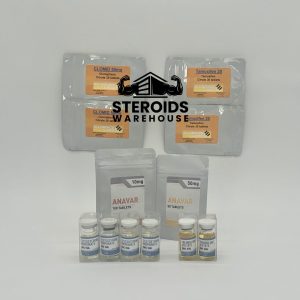
Buy Steroid Cycles
Buy Oral Steroids
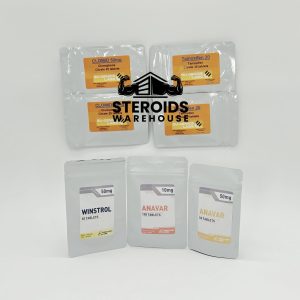
Buy Steroid Cycles
Buy Oral Steroids
Fat Burners
Buy Oral Steroids
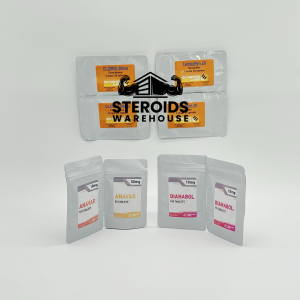
Buy Steroid Cycles
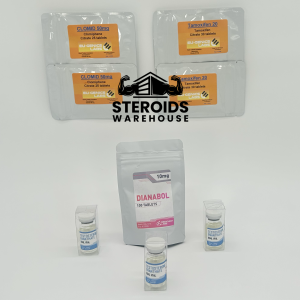
Buy Steroid Cycles